 (302) 213-6772
Can a crane company get insured after a long gap in coverage and a same-day decline? Yes. Here’s how Soma did it.
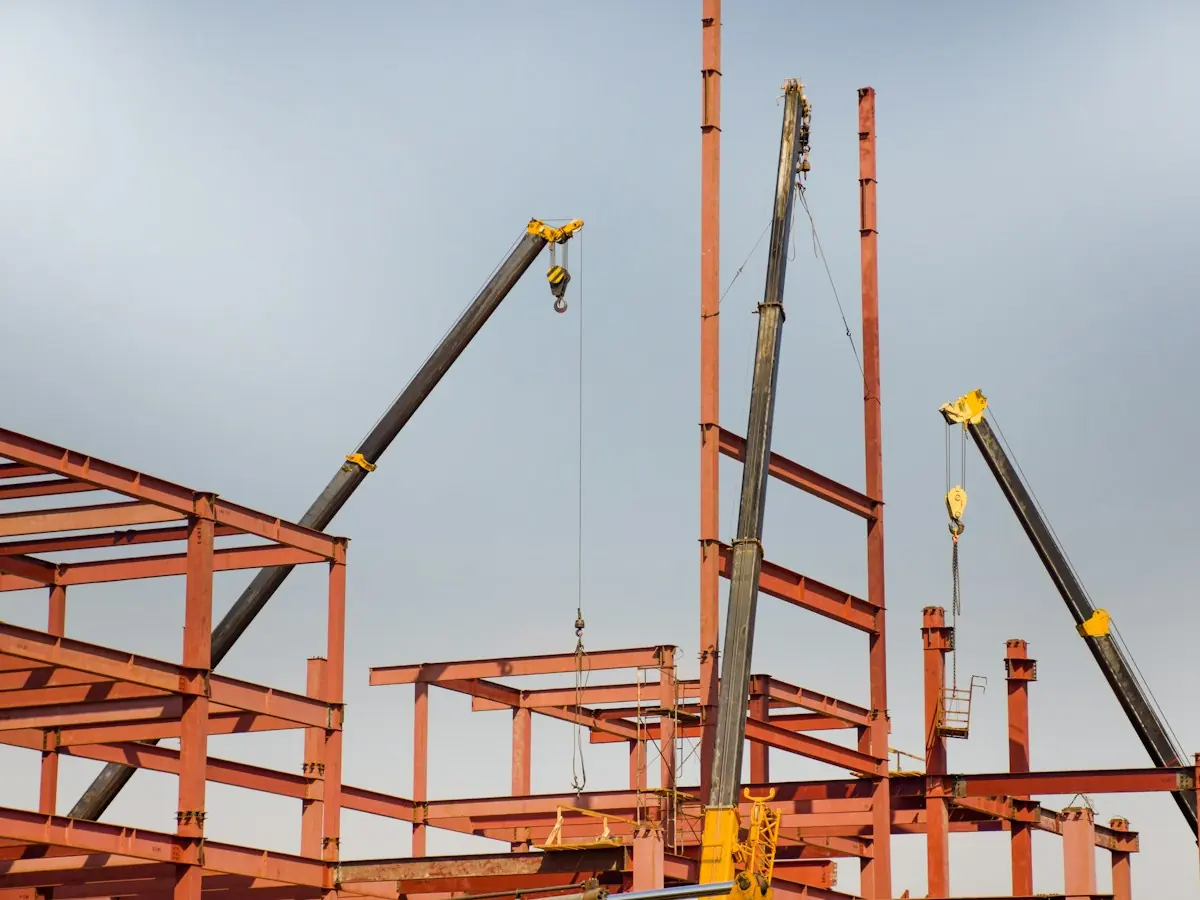
General liability was bound within a week of the first call, followed by an equipment policy for the cranes and a fleet auto policy that covers them on the road.
What happened
The situation
A long-running crane rental company that runs its cranes with its own certified operators had gone more than a year without general liability. Its first application was declined the same day.
What made it hard
Crane work falls outside most contractor programs, and several crane specialists would not consider the account after the gap. The cranes also needed their own liability for driving between jobs, and several auto insurers passed, one because much of the fleet was older than it writes.
How it got solved
We rebuilt the submission for specialty markets: operator-run lifts, mostly commercial steel and truss setting, and loss runs showing the one paid claim covered only defense fees. For the road exposure, we gathered crane types, road-licensed units, operating area, prior ID cards, driver and operator details, and lender requirements, and kept going until a carrier wrote the whole fleet, cranes included.
“I appreciate you working with us on this. I know it wasn’t an easy one.”
More problems solved
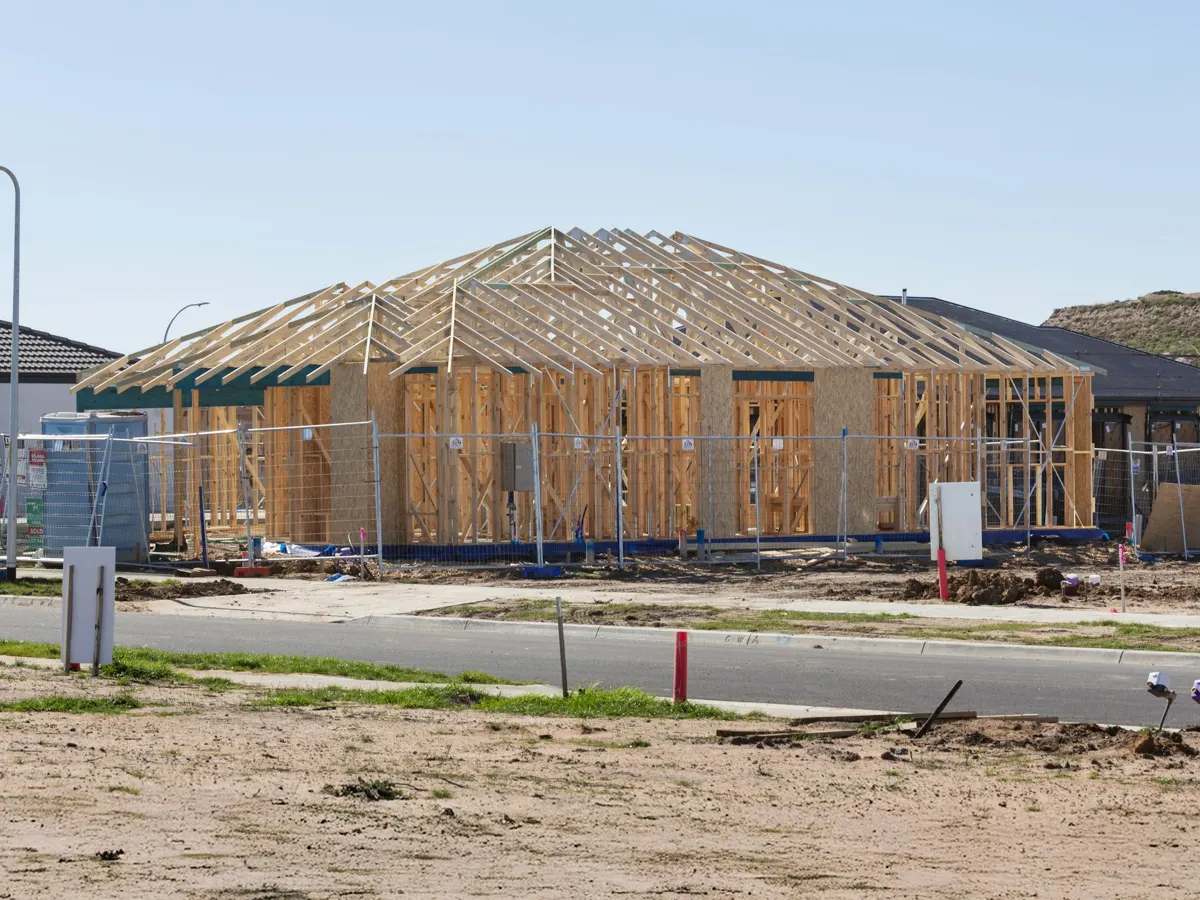
Can a framing contractor get general liability after a gap in coverage, without prior loss runs?
A residential framing contractor in ArizonaGeneral liability at $1M per occurrence and $2M aggregate took effect five days after the first call, with blanket additional insured for ongoing work, primary and non-contributory wording, and a waiver of subrogation.
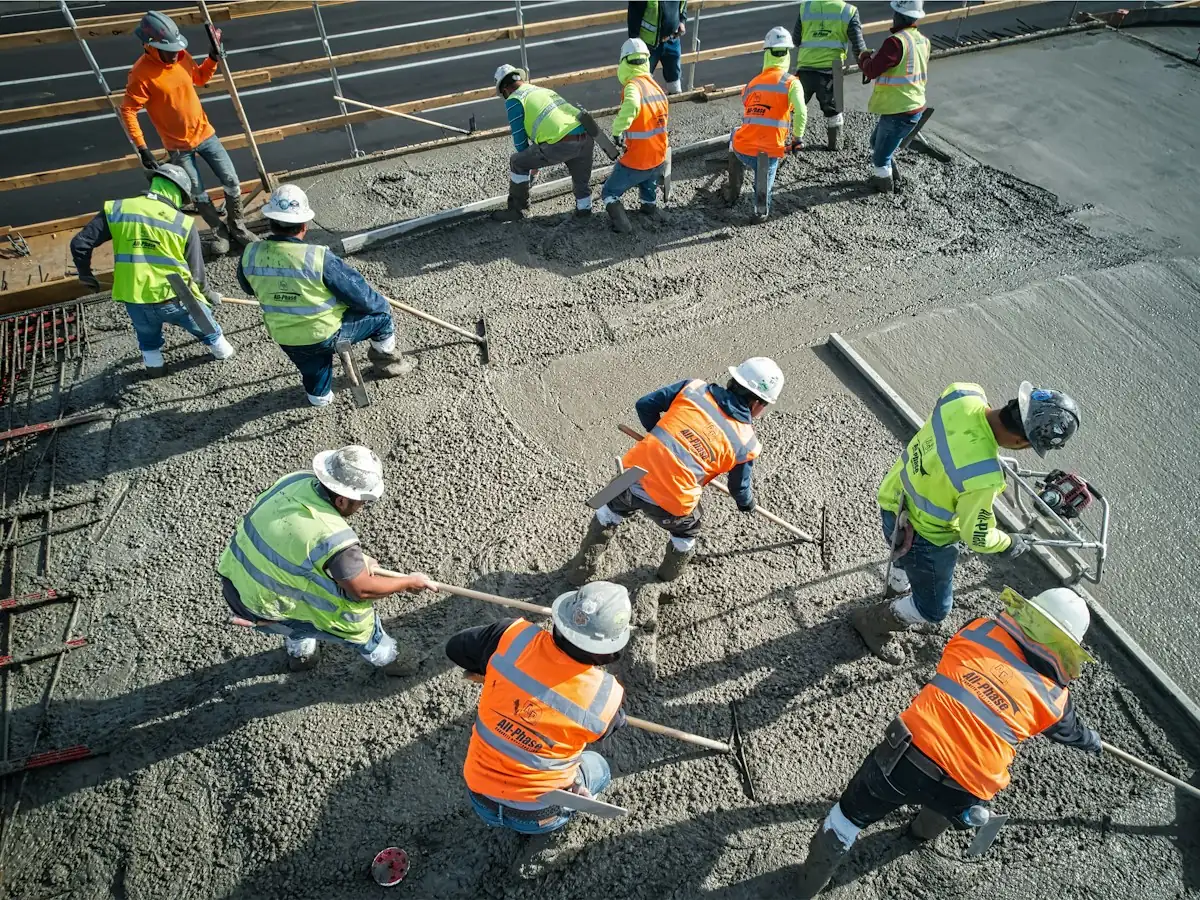
Can a concrete contractor meet a city’s insurance rules for a right-of-way permit?
A residential concrete contractor in VirginiaHe was bound about three hours after his first call, and the certificate and additional-insured endorsement went to the city that evening.